 88% off
Home › Guides › How to order clothes online in India without the size going wrong
साइज़
How to order clothes online in India without the size going wrong
Size is the single biggest reason online clothing orders come back. Not quality, not colour — fit. The fix isn't a magic chart, because there isn't one that works across Indian brands. It's measuring yourself once and then reading each brand's own chart.
Last updated 2026-11-12
Measure yourself once, write it down
You need four numbers: bust (around the fullest part), waist (the narrowest part, usually just above the navel), hips (the fullest part, usually 7–9 inches below the waist) and shoulder (seam to seam across the back). Use a soft tape, keep it level, don't pull it tight, and measure over thin clothing rather than a jacket. Write them in your phone's notes. You'll use them for years.
Why the same 'M' differs between two Indian brands
There is no enforced sizing standard here. A brand sets its own chart, and labels aimed at different markets differ by a full size or more. The practical consequence: the letter on the label tells you almost nothing. The brand's own size chart on the product page tells you everything. If a listing has no chart, that itself is information — treat it as a gamble.
The one rule that saves most returns
Compare the chart to a garment you already own and like, not to your body. Lay the garment flat, measure the chest across and double it, and compare that to the brand's chest measurement. This removes the guesswork about how much ease the brand builds in, which is the thing charts never tell you.
Kurtis, kurtas and ethnic wear
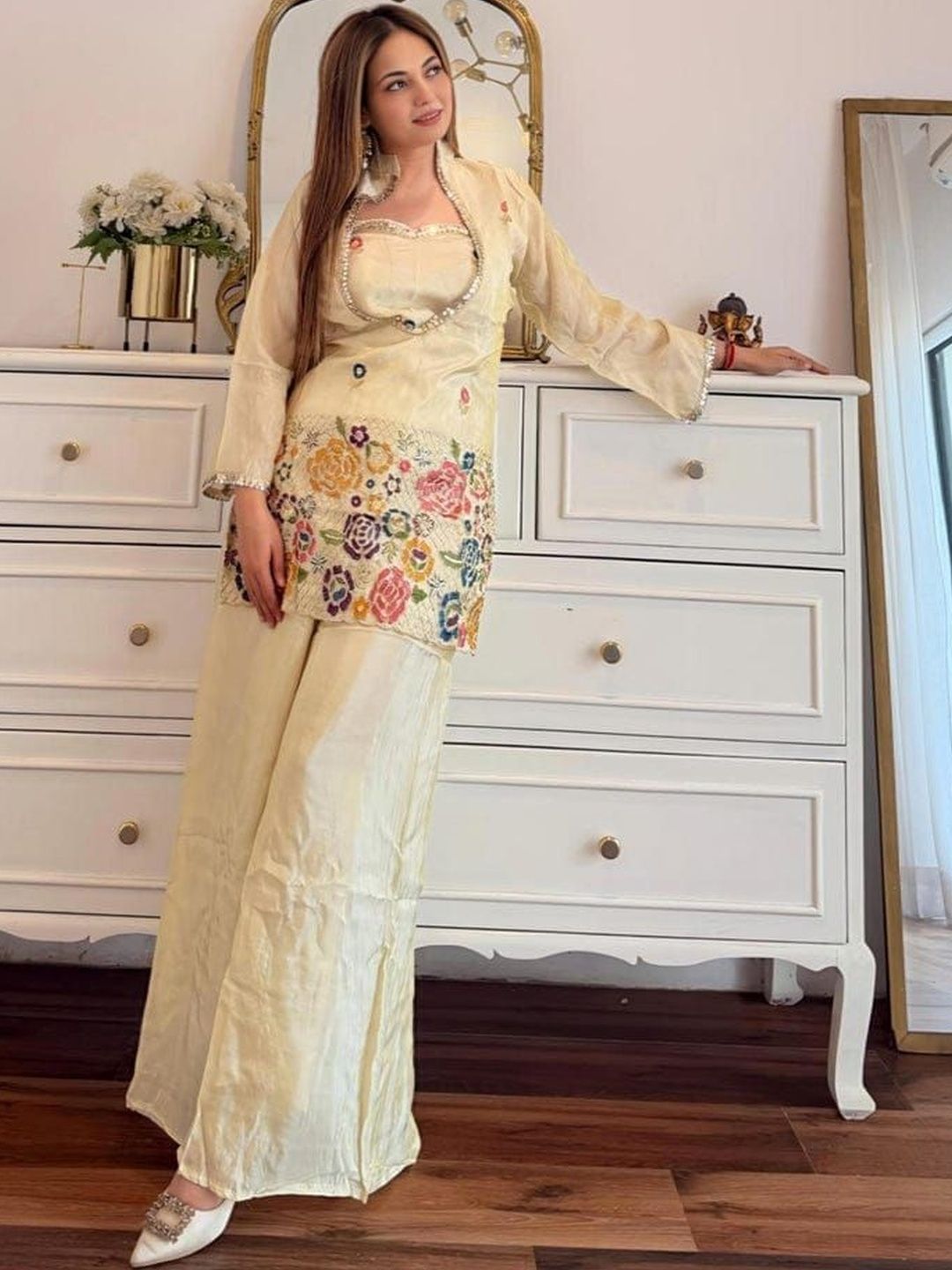
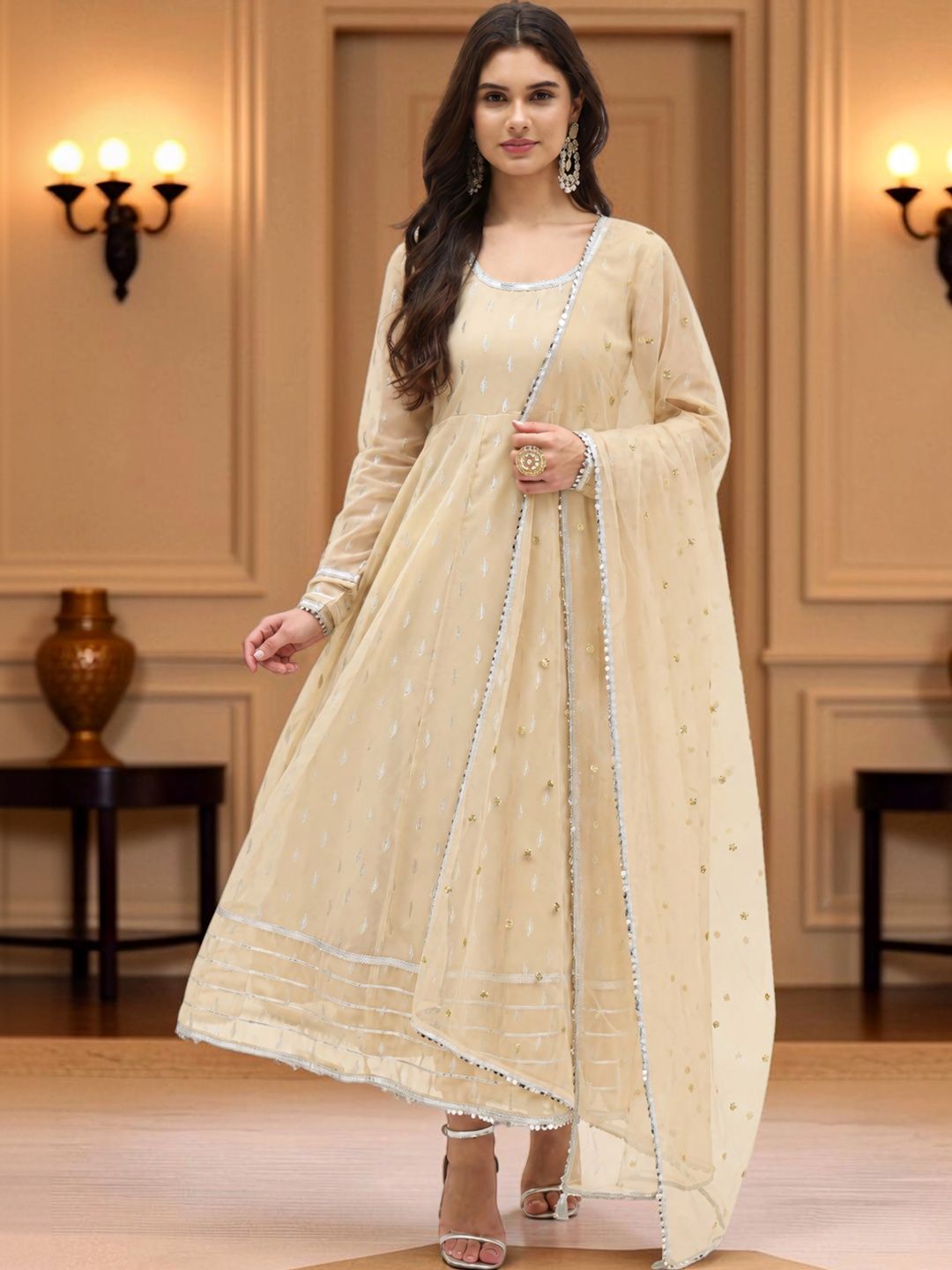
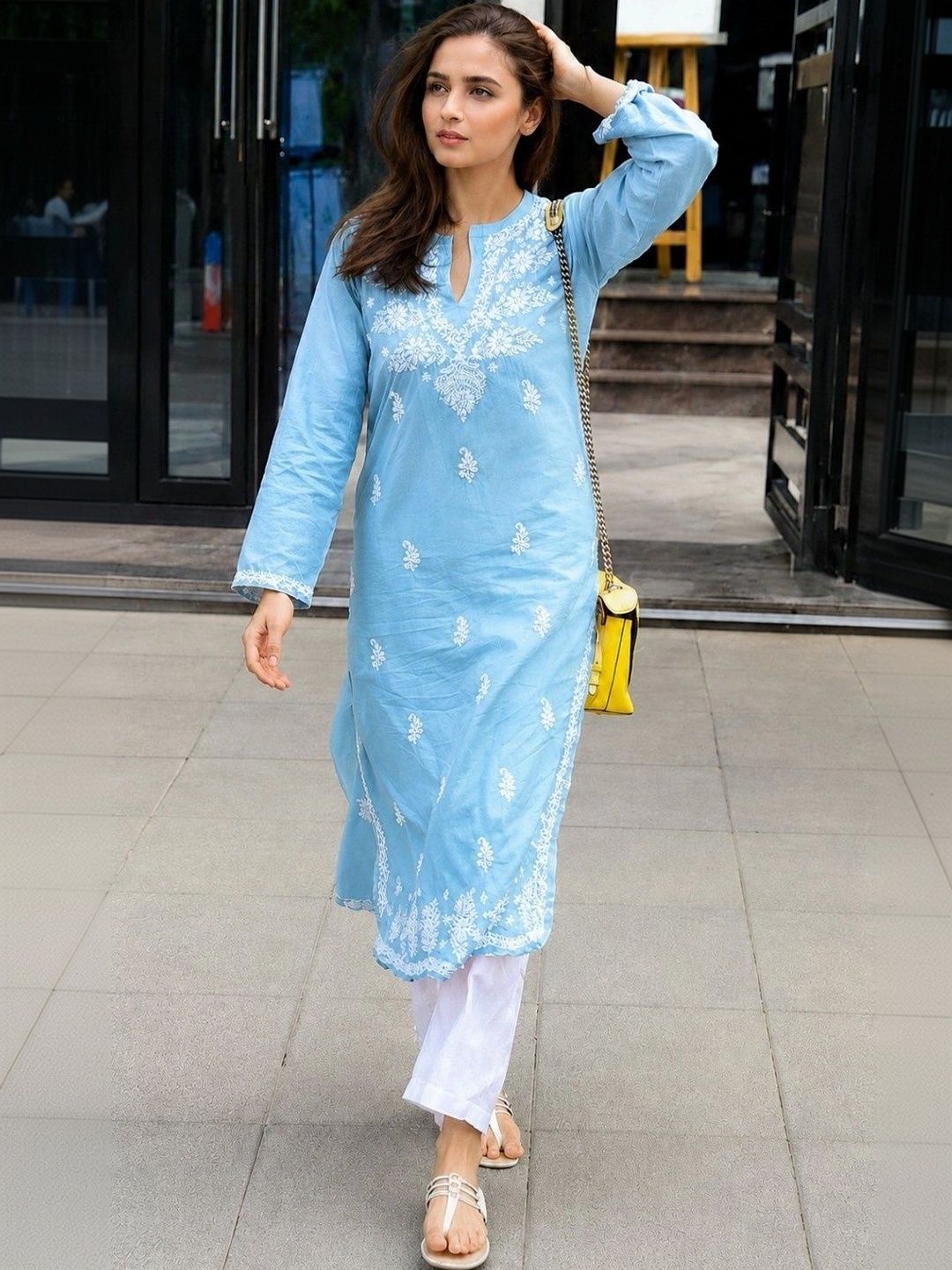
Length matters as much as width. Kurti lengths are usually listed in inches — knee-length is roughly 38–40 inches on an average Indian frame, and a 46-inch kurta is calf-length on most people. Anarkalis need room at the bust but flare below, so size to the bust measurement. If a kurta set includes palazzos, check the bottom's waist separately; sets often pair a generous top with a narrow bottom.
Footwear
Indian sizing usually follows UK sizes, which run roughly one size below US women's sizing. Measure your foot length in centimetres in the evening, when feet are at their largest, and compare to the brand's cm column if there is one — it's far more reliable than the number. If you're between sizes, go up for closed shoes and down for open sandals, which tend to slip.
Innerwear
Band and cup are a pair, not independent. If the band rides up at the back it's too big, not too loose on the straps. Most brands publish an under-bust and over-bust measurement — measure both, snugly, and use the brand's chart rather than the size you've always bought, because this category varies the most.
Kids
Kids' clothing is listed by age, which is the least reliable measure there is — children of the same age differ enormously. Use the height range in centimetres if the listing gives one, and size up rather than down for anything you want to last a season.
Before you click buy
Check the return window and whether returns are free, because that's what decides how much risk a borderline size carries. Check the fabric: anything with elastane has give, pure cotton will shrink a little on the first wash, and rigid denim won't forgive a tight fit. And read the written reviews rather than the star rating — buyers are blunt about fit, and that's the most useful signal on the page.
Picks that fit this guide




Compare across stores
Common questions
How do I know my size for Indian brands?
Measure your bust, waist, hips and shoulder once, then read each brand's own size chart on the product page. Indian brands don't share a standard, so the same 'M' can differ by a full size between labels.
Should I size up or down when buying online?
Size up for kurtis, closed shoes and anything in non-stretch fabric. Size down only for open sandals, which slip when loose. If a garment has elastane it will give a little; pure cotton will shrink slightly.
Why do my online clothing orders keep not fitting?
Almost always because the size letter was used instead of the chart. Compare the brand's measurements to a garment you already own and like, laid flat and measured, rather than to your body.